Technical articles, written to be read
Short paragraphs, clear structure and key takeaways. For readers who want the detail behind the diagram.

Built to Disappear: The Story Behind Temporary Works
From timber centering under early arches to the structured control used on sites today.
Read article →
Understanding the Temporary Works Process
Plan, design, install, inspect, use and remove: the six steps every temporary work passes through.
Read article →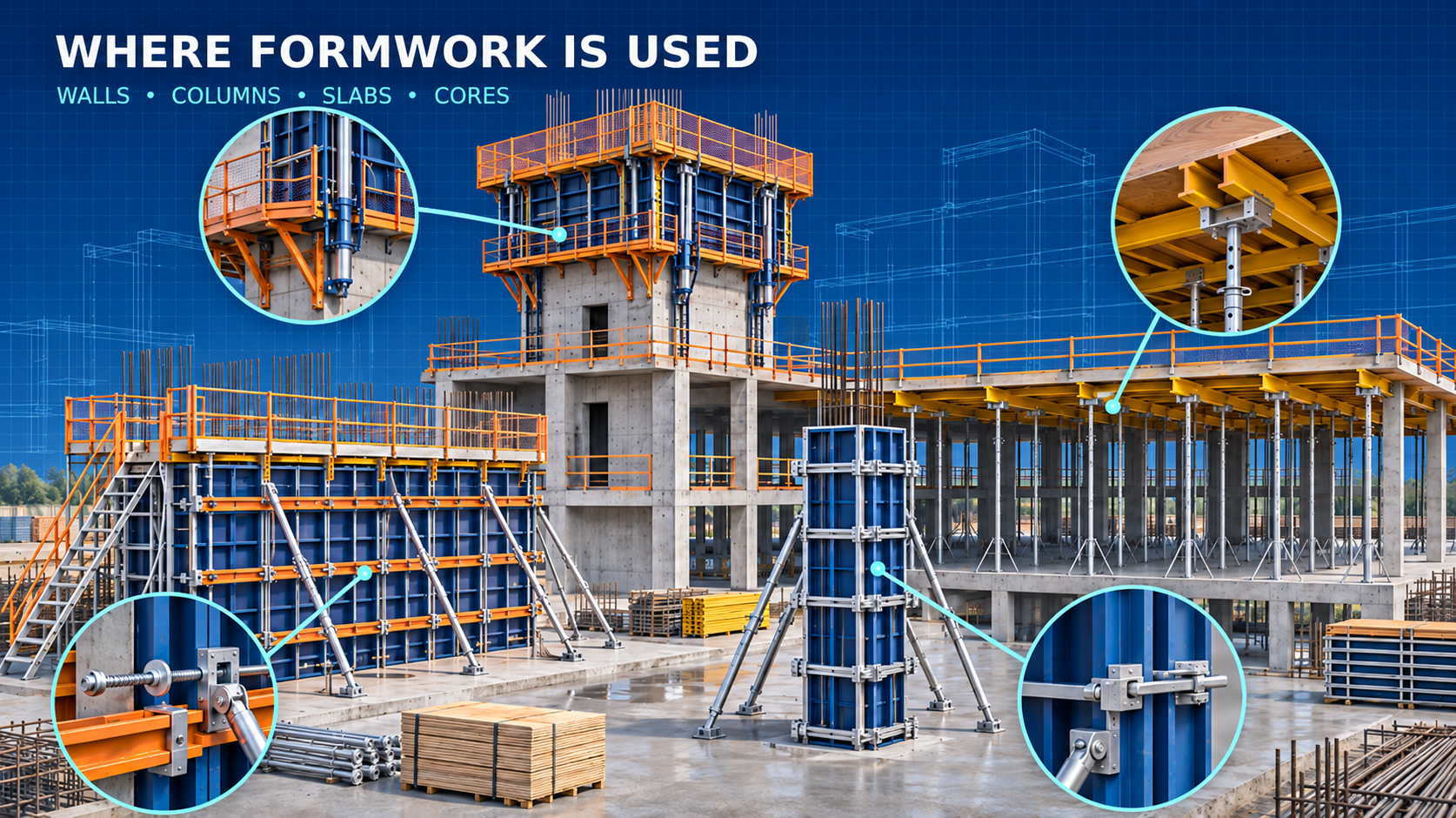
Formwork: More Than a Mould for Concrete
Formwork gives fresh concrete its required shape and temporarily supports it until the concrete can safely support itself. It is used for walls, columns, slabs, beams, foundations and many other concrete elements.
Read article →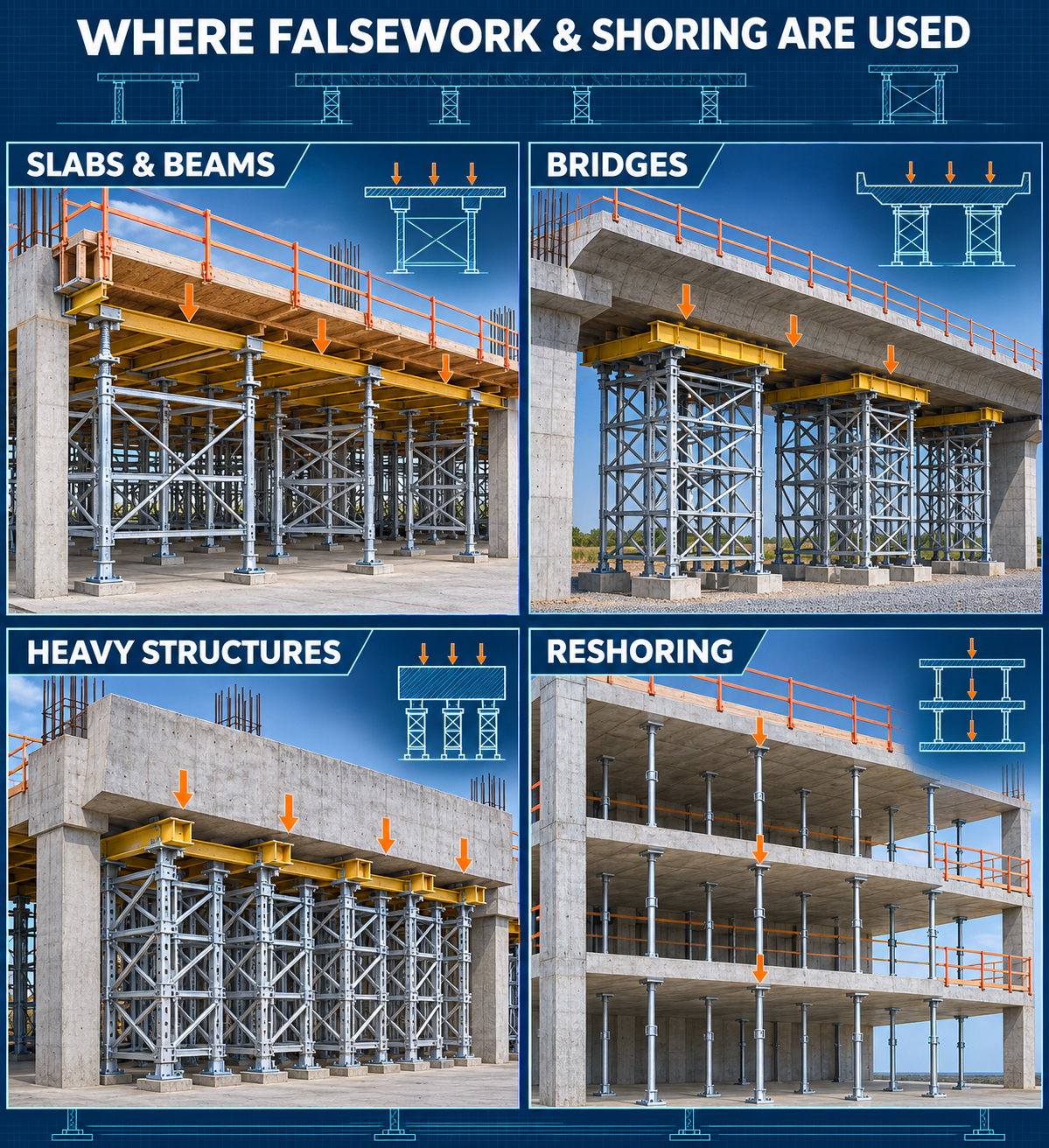
Falsework and Shoring: Temporary Support for Construction Loads
Falsework and shoring temporarily support formwork, fresh concrete, structural elements or existing construction until the permanent structure can safely carry the required loads.
Read article →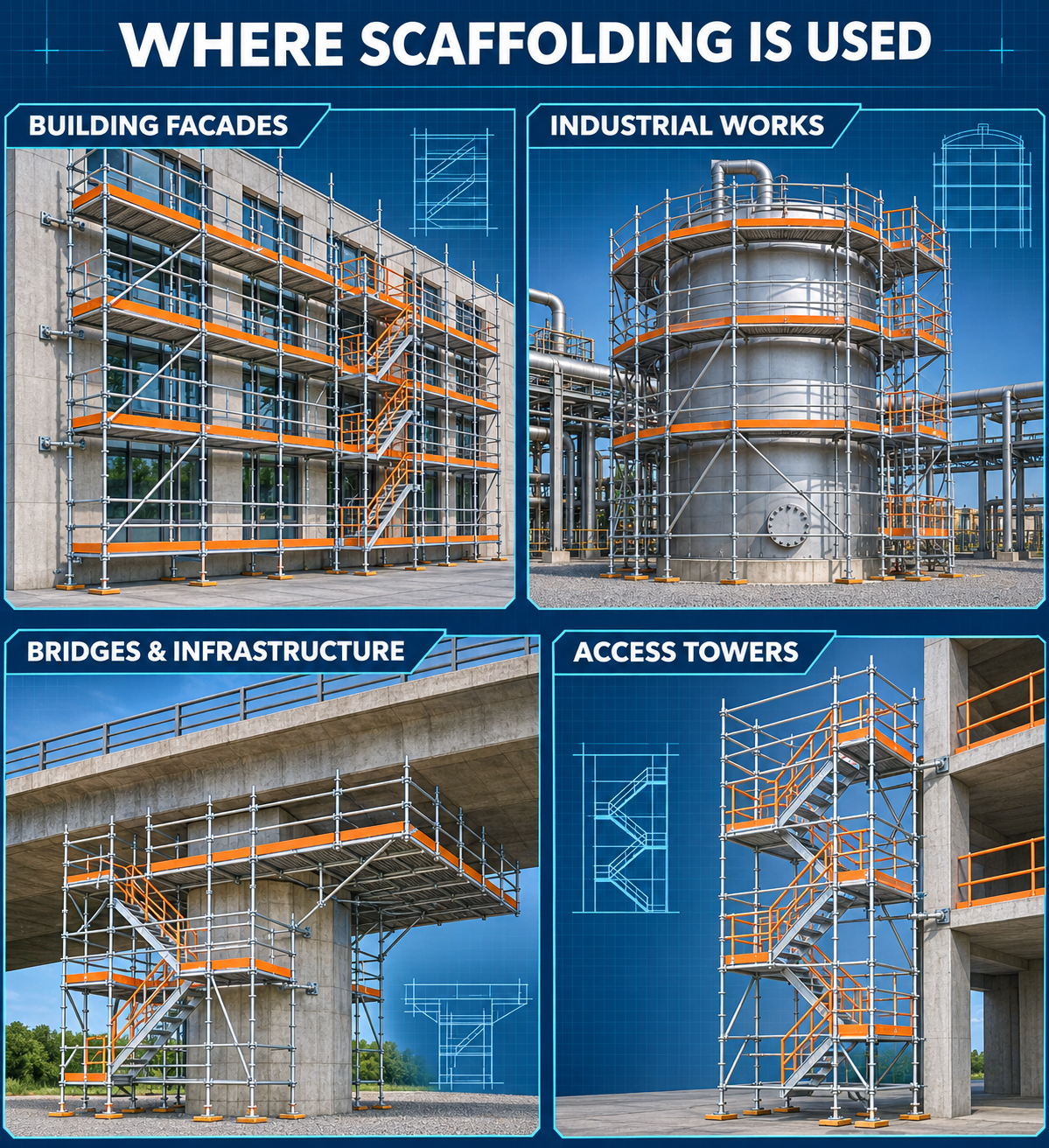
Scaffolding: Temporary Access That Must Remain Stable
Scaffolding provides temporary access and working platforms for construction, inspection, maintenance and repair activities.
Read article →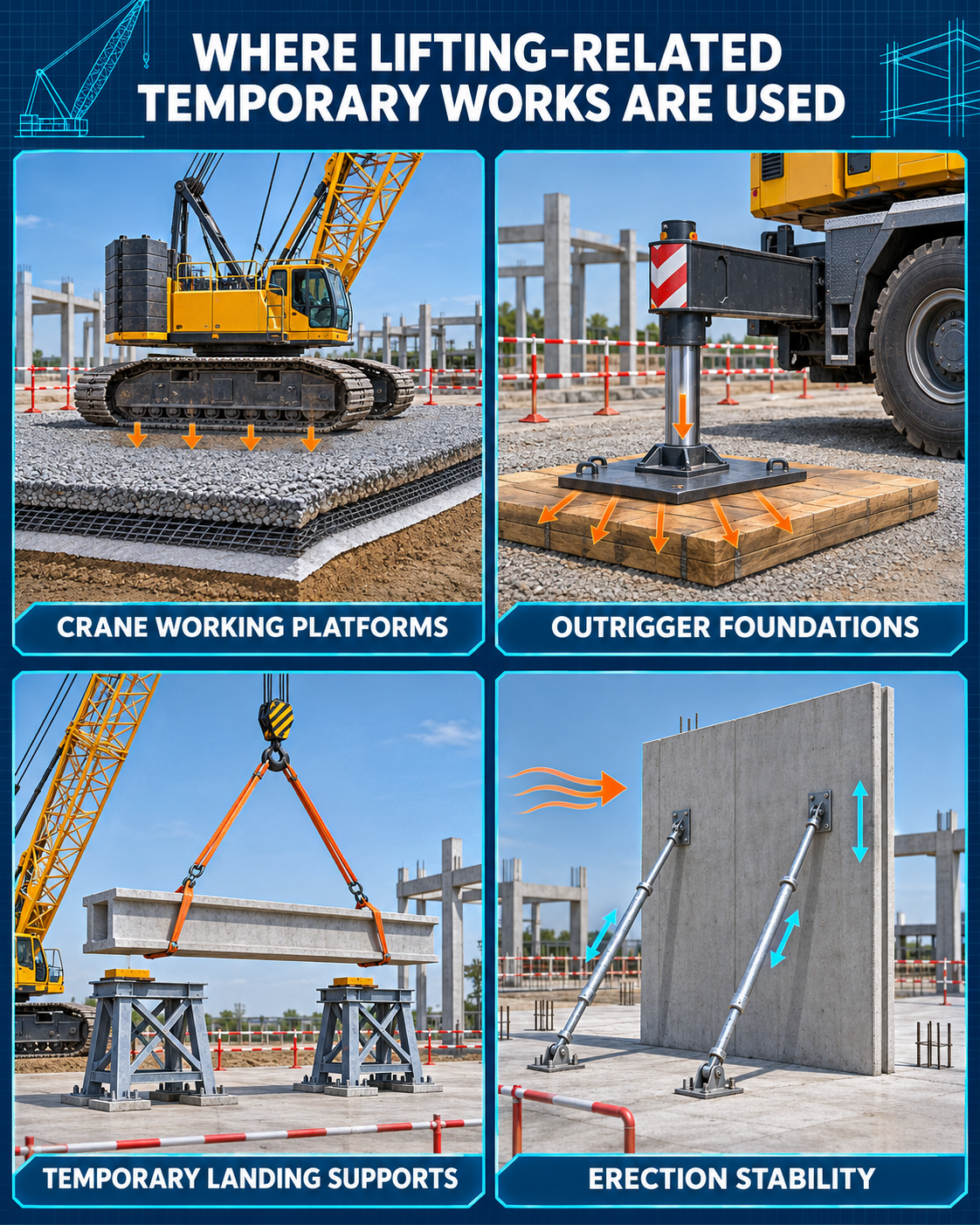
Lifting-Related Temporary Works: The Support Behind Every Lift
A lifting operation involves more than the crane, rigging and suspended load. The crane must stand on a suitable surface, concentrated reactions must be distributed safely, lifted elements may require temporary landing supports, and newly installed components often need bracing until permanent stability is achieved.
Read article →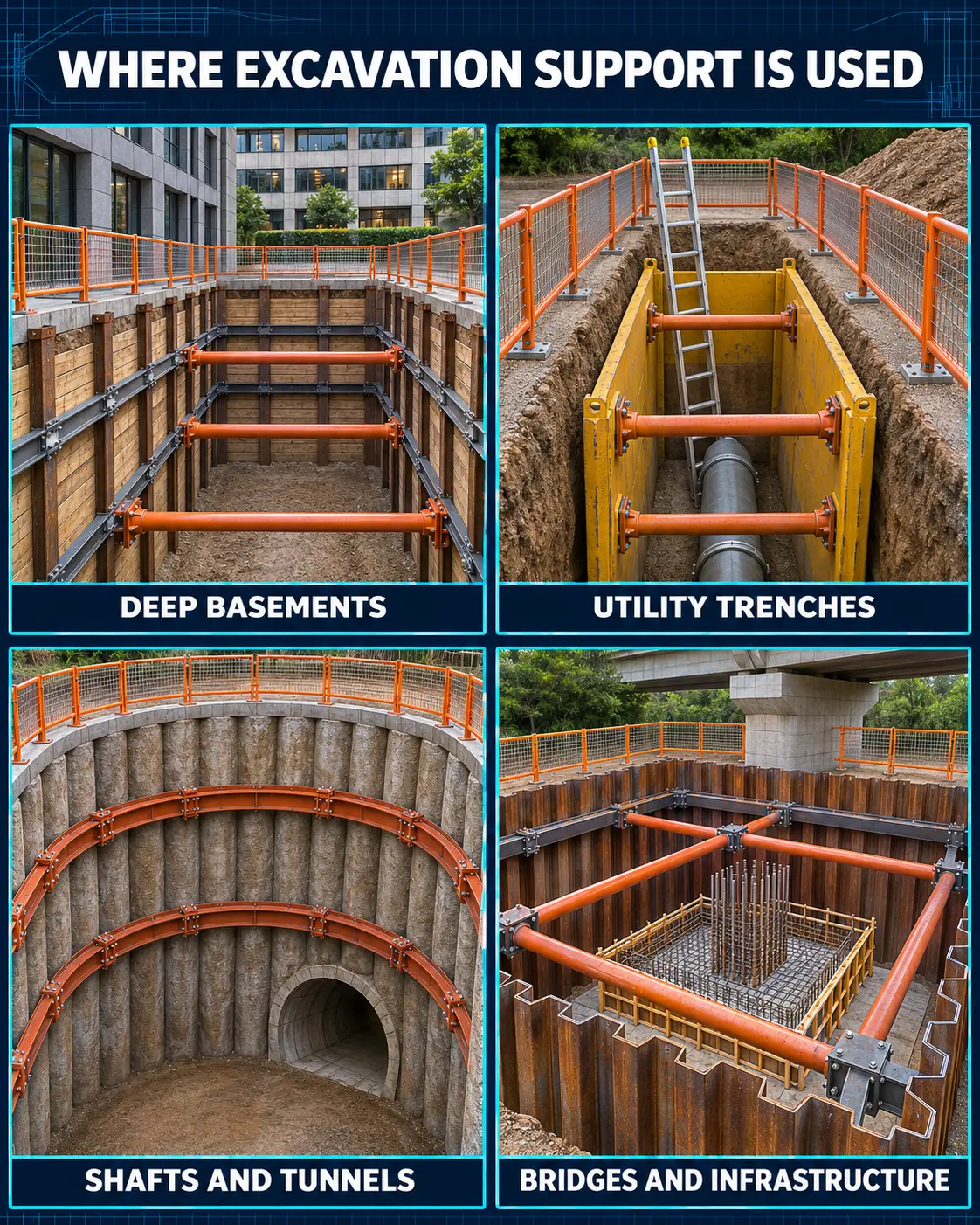
Excavation Support: Holding the Ground While Construction Moves Forward
Excavation support is used to retain soil, protect workers and control ground movement while construction takes place below the surrounding ground level.
Read article →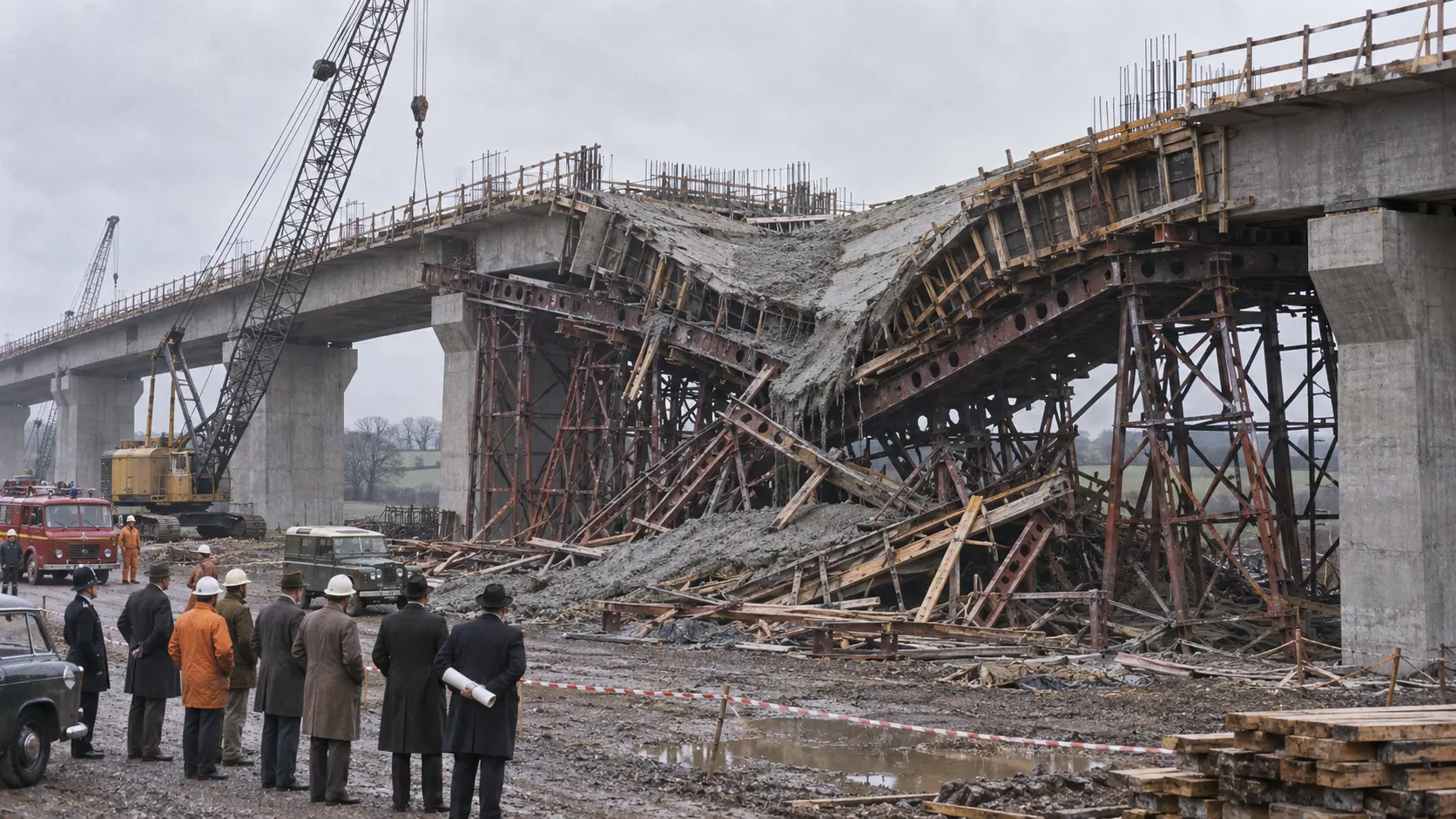
The Collapse That Changed Temporary Works
How the Birling Road and Loddon Viaduct falsework failures led to the Bragg Report and BS 5975.
Read article →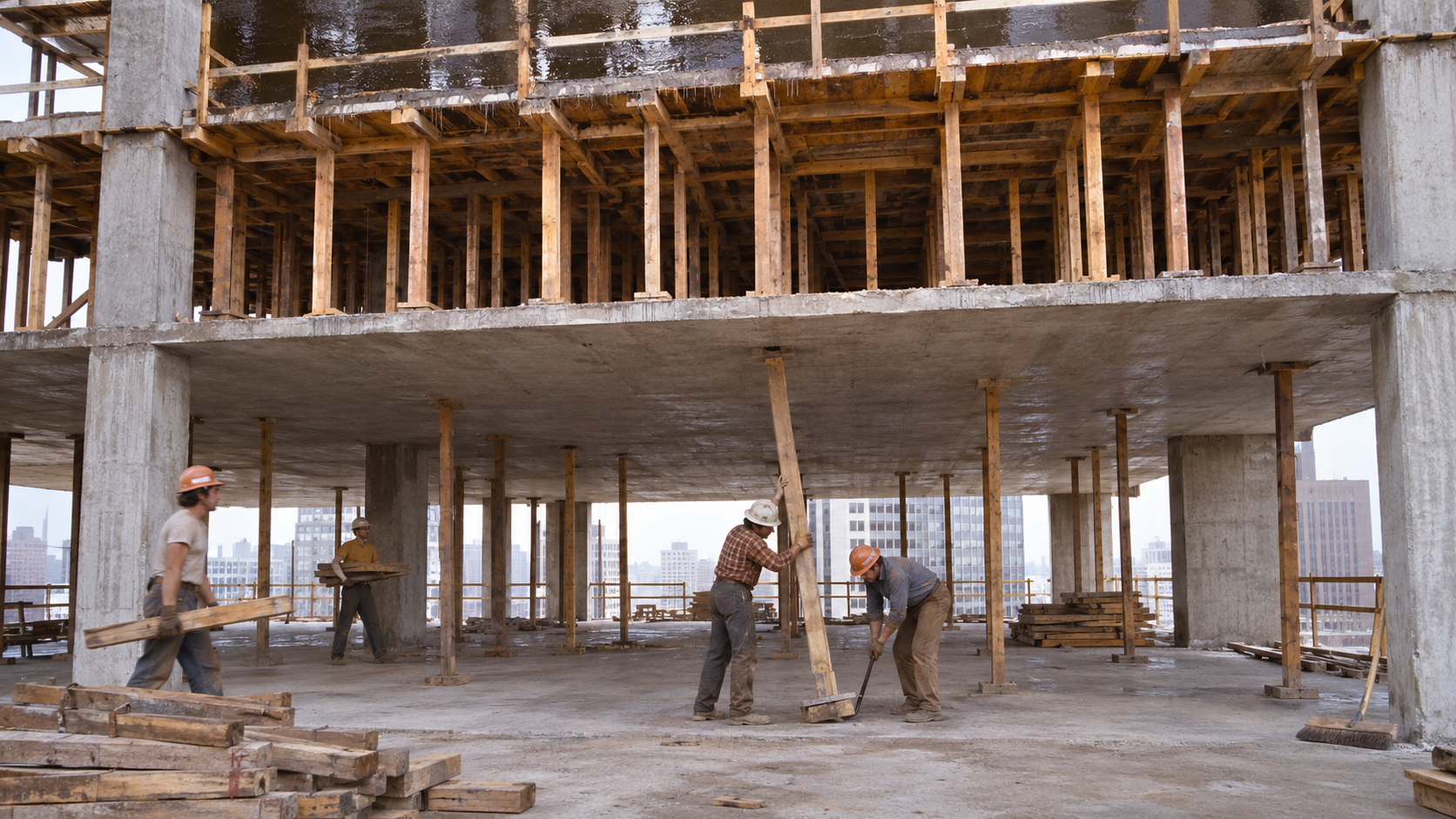
Skyline Plaza Collapse: When Shoring Was Removed Too Soon
In 1973, shores were removed beneath a four-day-old slab, triggering a progressive collapse.
Read article →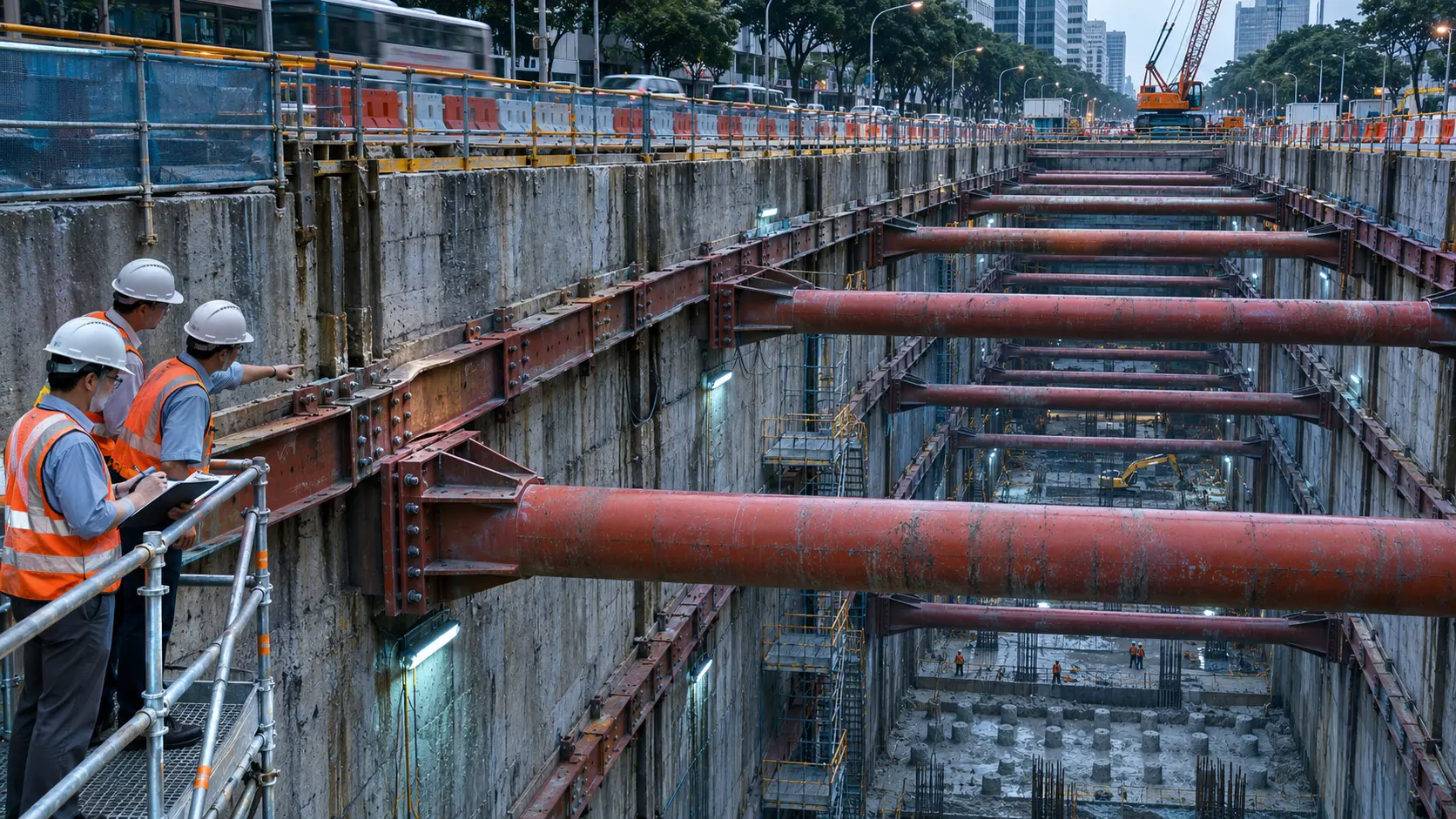
Nicoll Highway: When Temporary Support Failed
A 33-metre excavation in Singapore failed when the strut–waler system proved about 50% weaker than required.
Read article →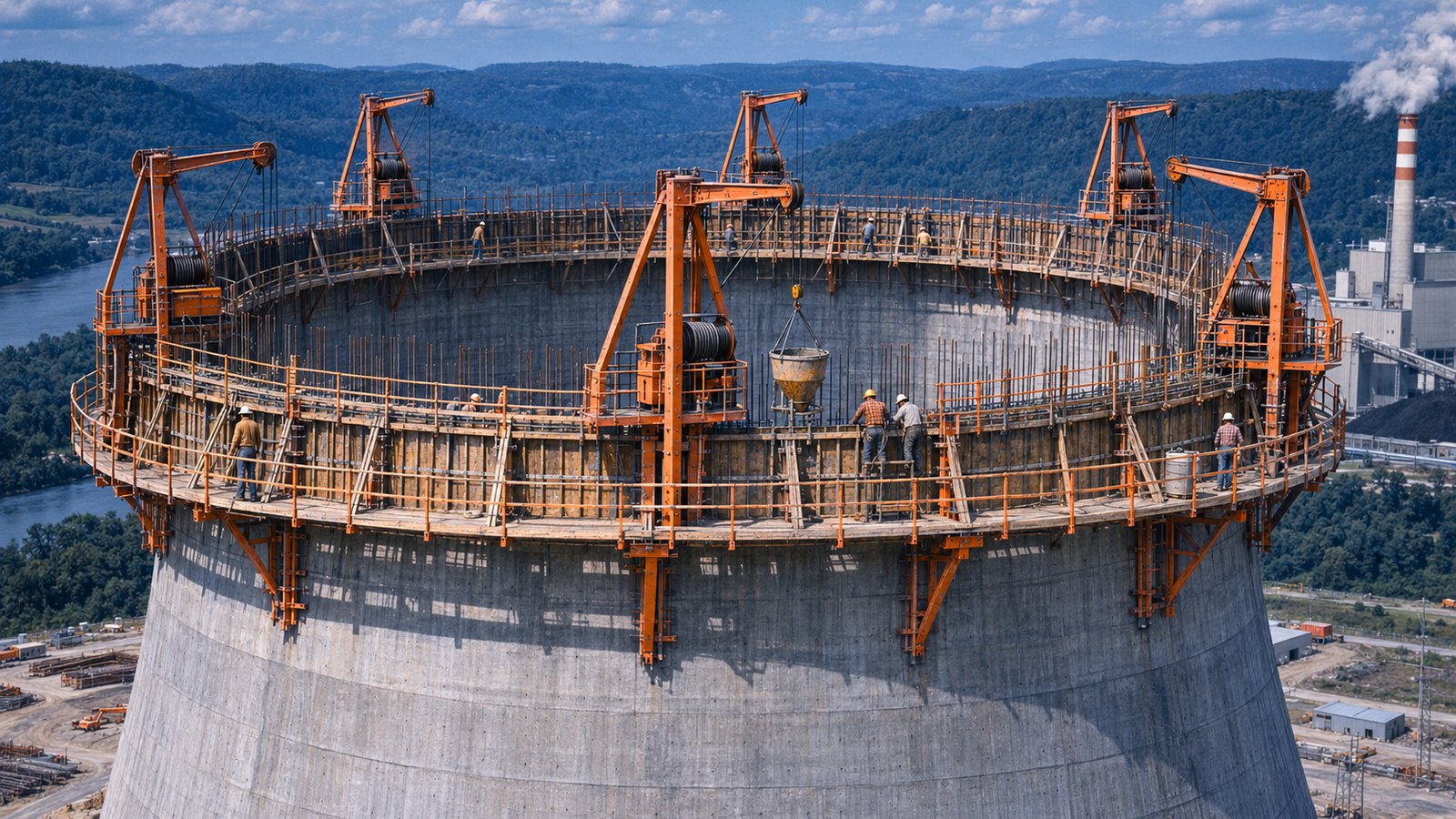
Willow Island Collapse: When Construction Outpaced Concrete Strength
In 1978, a cooling tower jump-form was loaded onto concrete that had not gained enough strength.
Read article →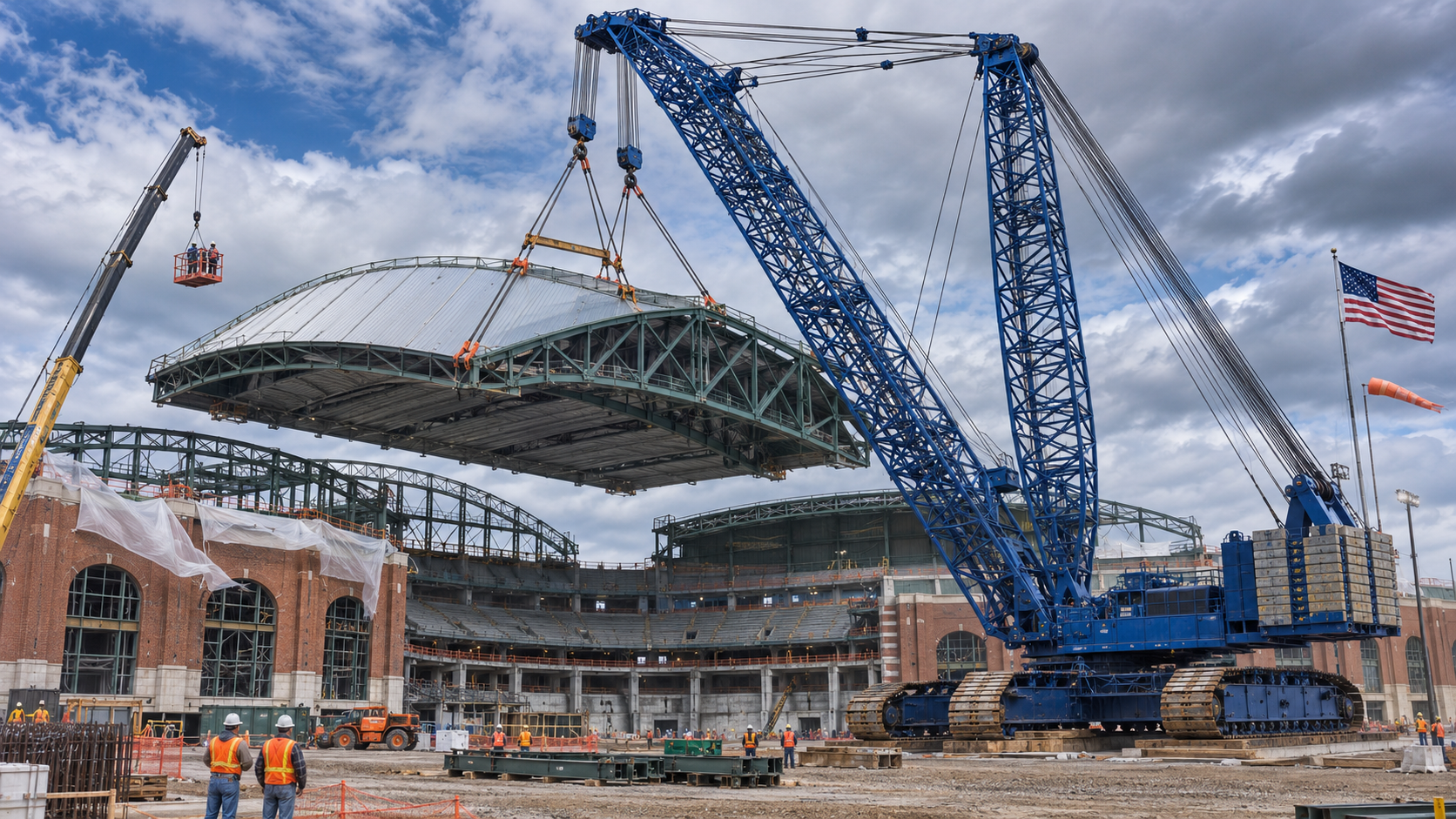
Big Blue Crane Collapse: When Wind Changed the Lift
In 1999, a heavy-lift crane carrying a 450-tonne roof section collapsed after wind exceeded its limit.
Read article →