Good design still needs a process
Most temporary works incidents trace back to process, not calculation: unclear roles, unchecked changes, missed verification. These topics close that gap.

Temporary Works Procedures
A temporary works procedure establishes how temporary works will be identified, designed, checked, installed, verified, used, modified and removed. It creates one consistent process for the project instead of allowing each team or subcontractor to manage temporary works differently.
Read article →
Roles & Responsibilities
Temporary works involve several parties. The person designing the system is not necessarily the person coordinating it, installing it, checking it or authorizing its use. Unclear boundaries can leave important tasks incomplete or duplicated.
Read article →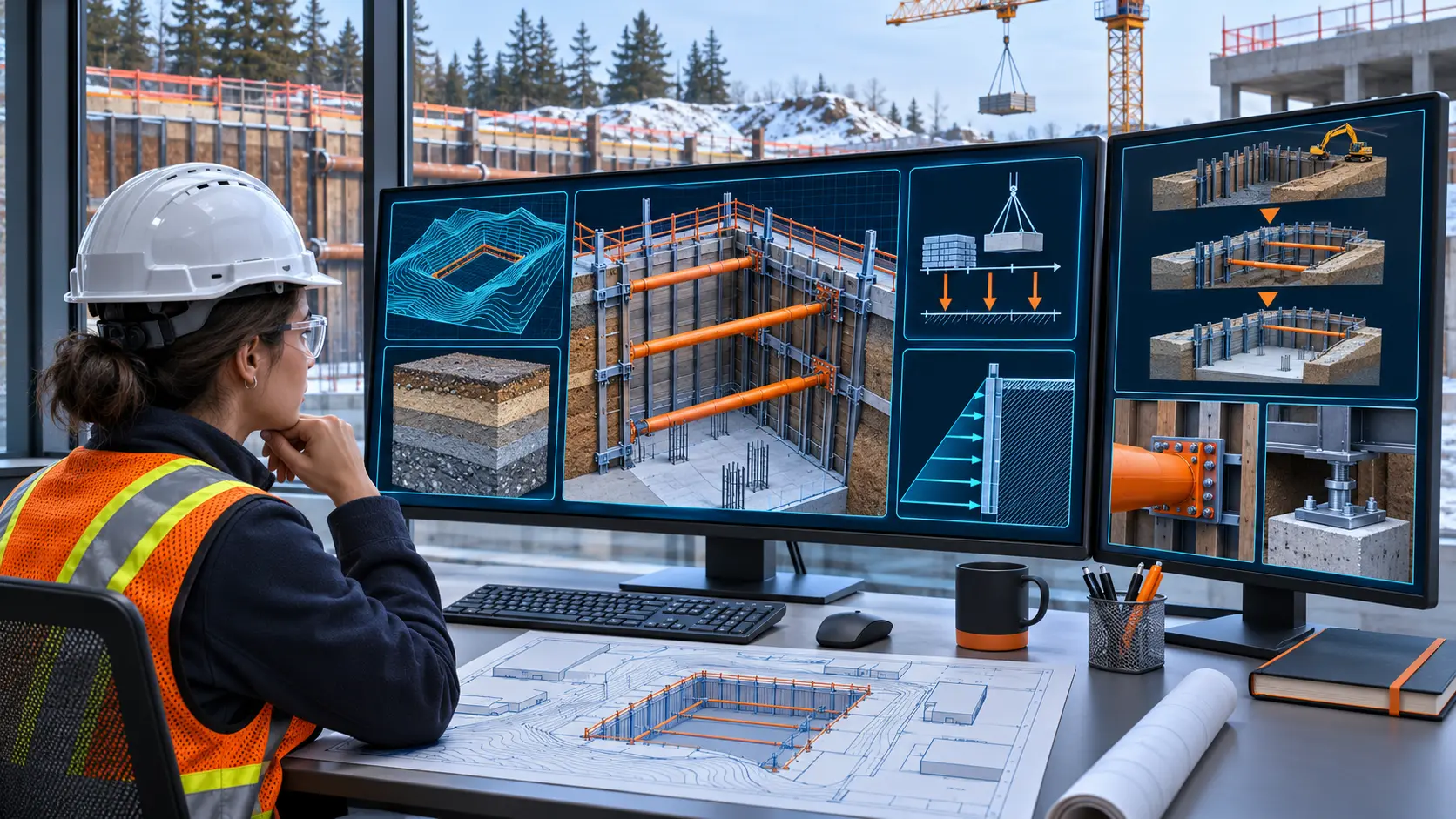
Temporary Works Coordination
Temporary works coordination connects design, construction, safety and operations. Its purpose is to prevent individual activities from being managed in isolation when they share loads, space, sequencing or structural interfaces.
Read article →
Design Management
A technically correct calculation can still produce an unsuitable solution if the design brief is incomplete. Temporary works design management begins by defining what the system must do, how it will be constructed and what it must safely support at every stage.
Read article →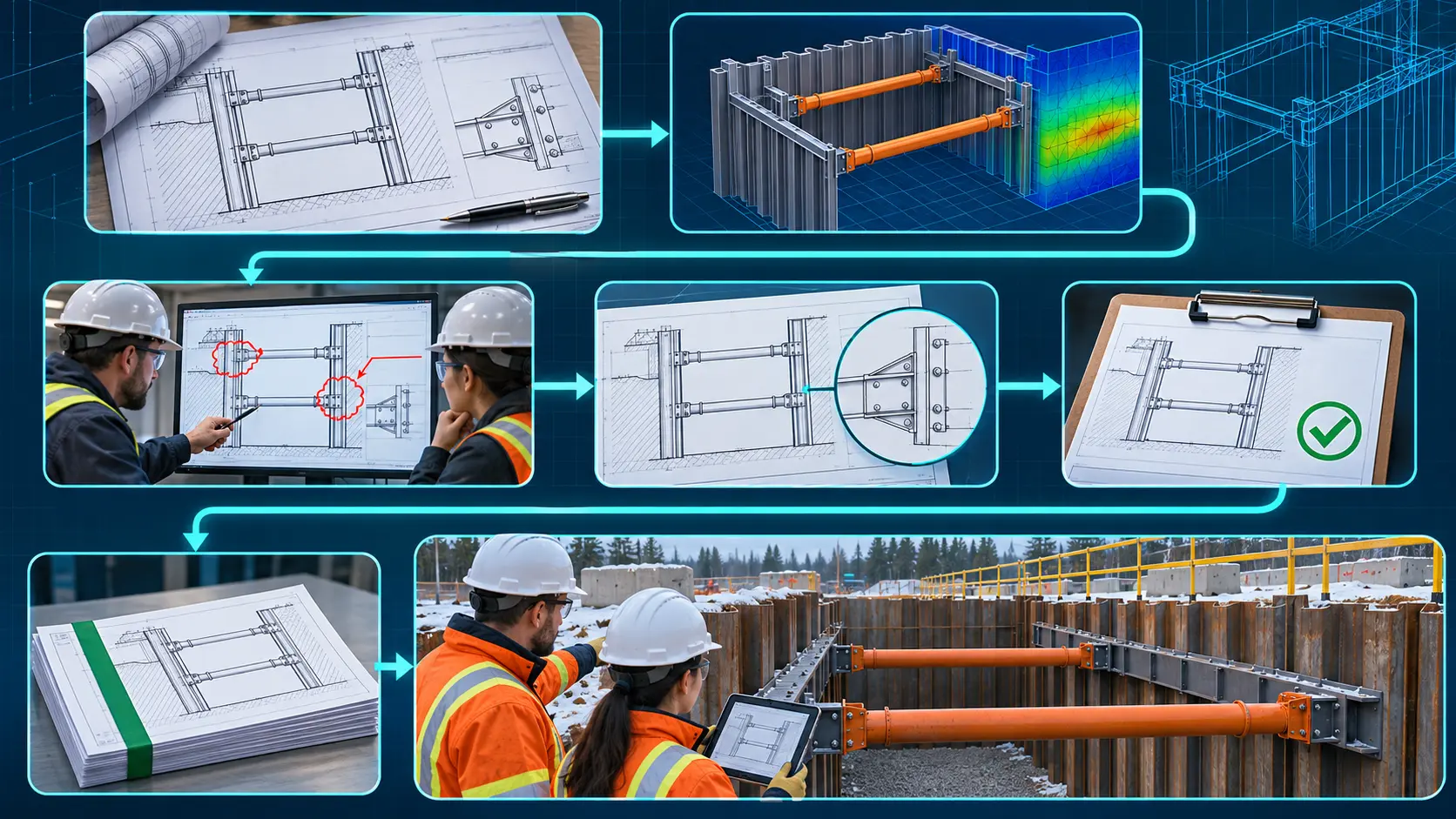
Design Checks
A design check is a structured technical review of the temporary works design. Its depth and independence should reflect the complexity of the system, the novelty of the solution and the consequences of failure.
Read article →
Site Verification
Site verification confirms whether the installed temporary works match the accepted design and specified requirements before they are loaded or used.
Read article →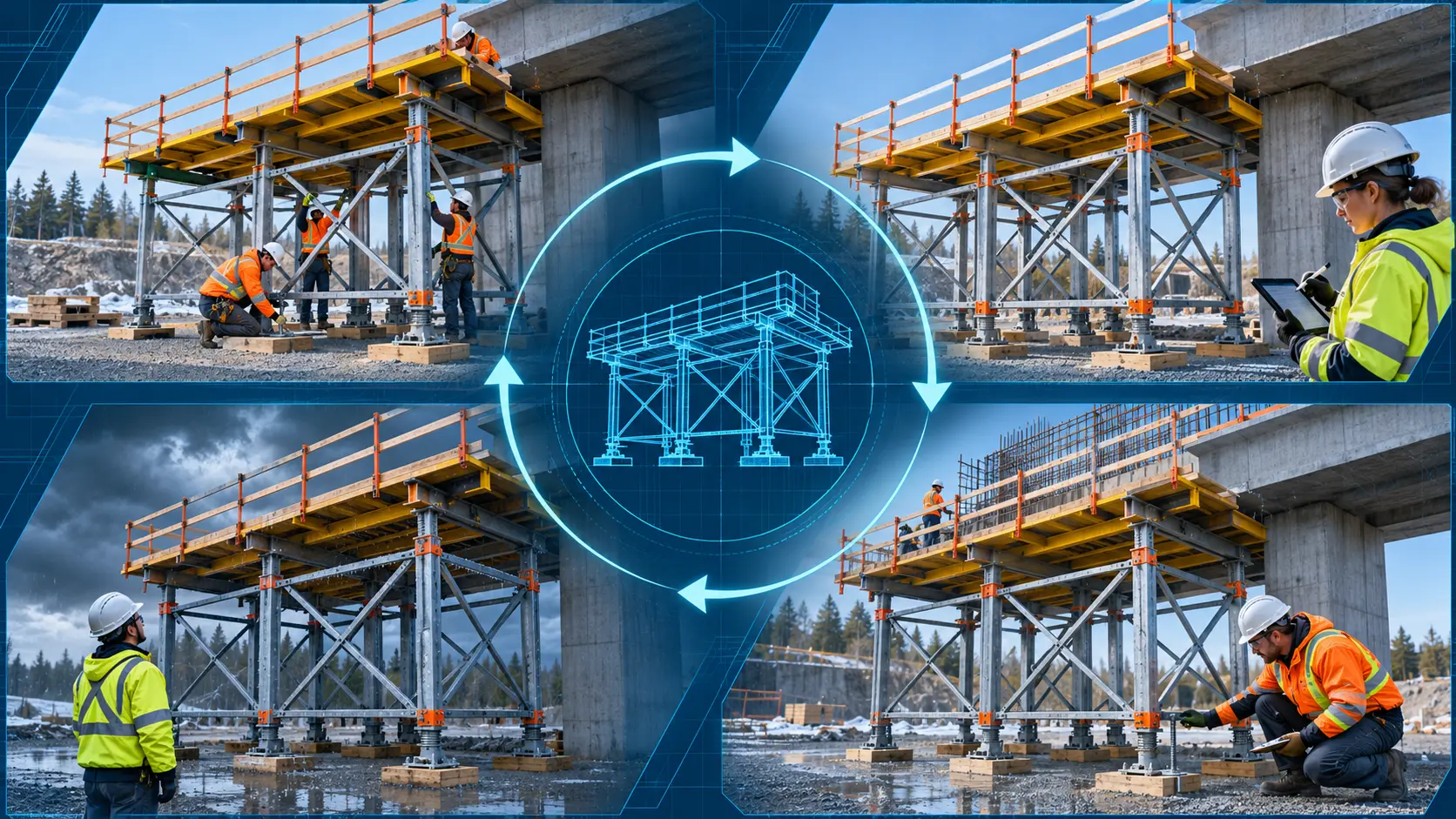
Inspections
Inspection is the planned examination of temporary works during installation and use. Unlike initial site verification, inspections monitor whether the system remains complete, stable and serviceable as conditions change.
Read article →
Risk Management
Temporary works risk changes between design, installation, loading, use and removal. Risk management should therefore follow the complete lifecycle rather than relying on a single assessment prepared before work begins.
Read article →
Change Management
Temporary works are often affected by site constraints. A different component, changed location, revised opening, delayed sequence or unexpected ground condition may appear minor but can alter the intended load path or stability.
Read article →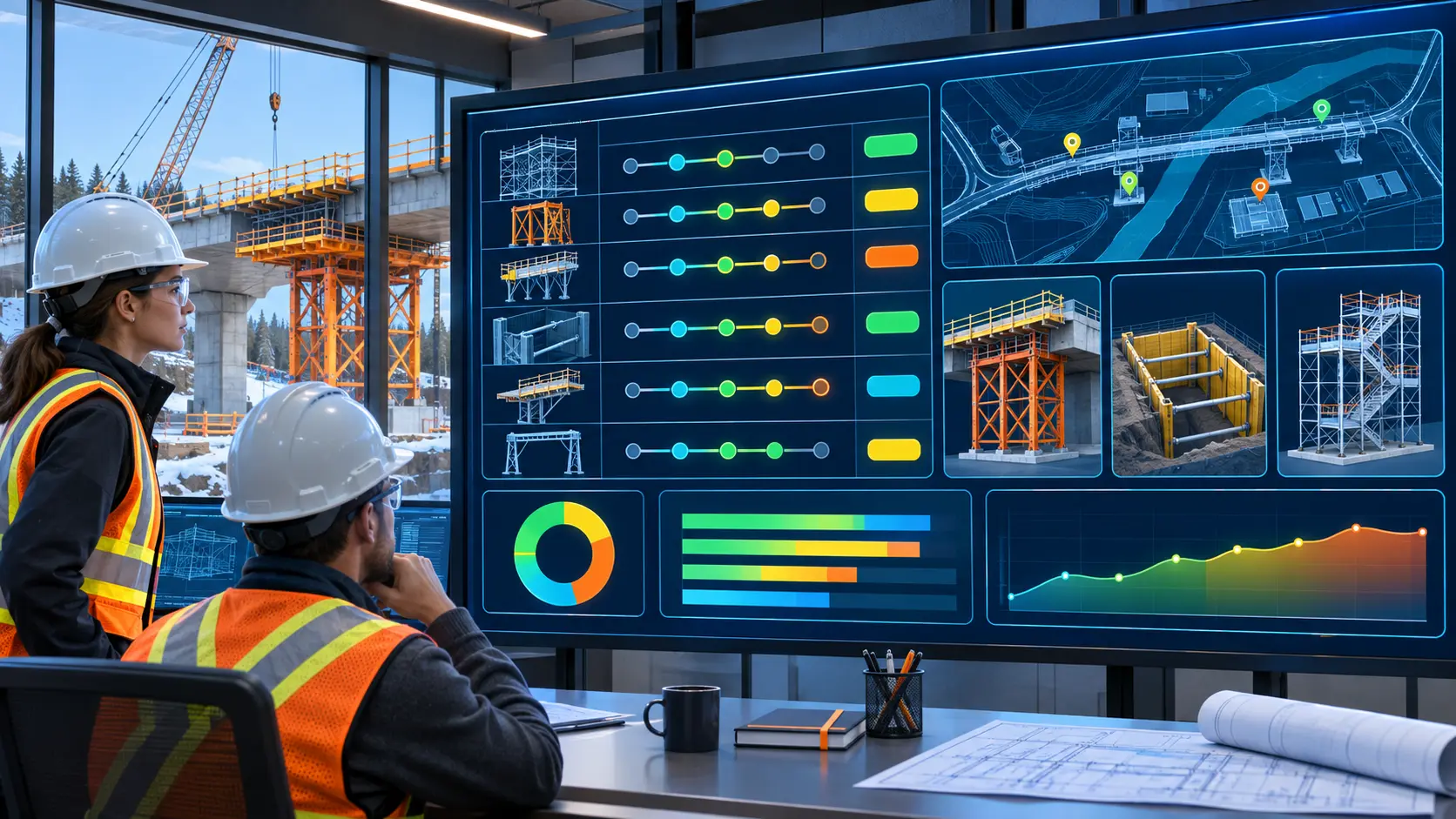
Temporary Works Registers
The temporary works register is the project’s central index of temporary works. It shows what exists, where it is located, who controls it and whether it is awaiting design, checking, installation, verification, release or removal.
Read article →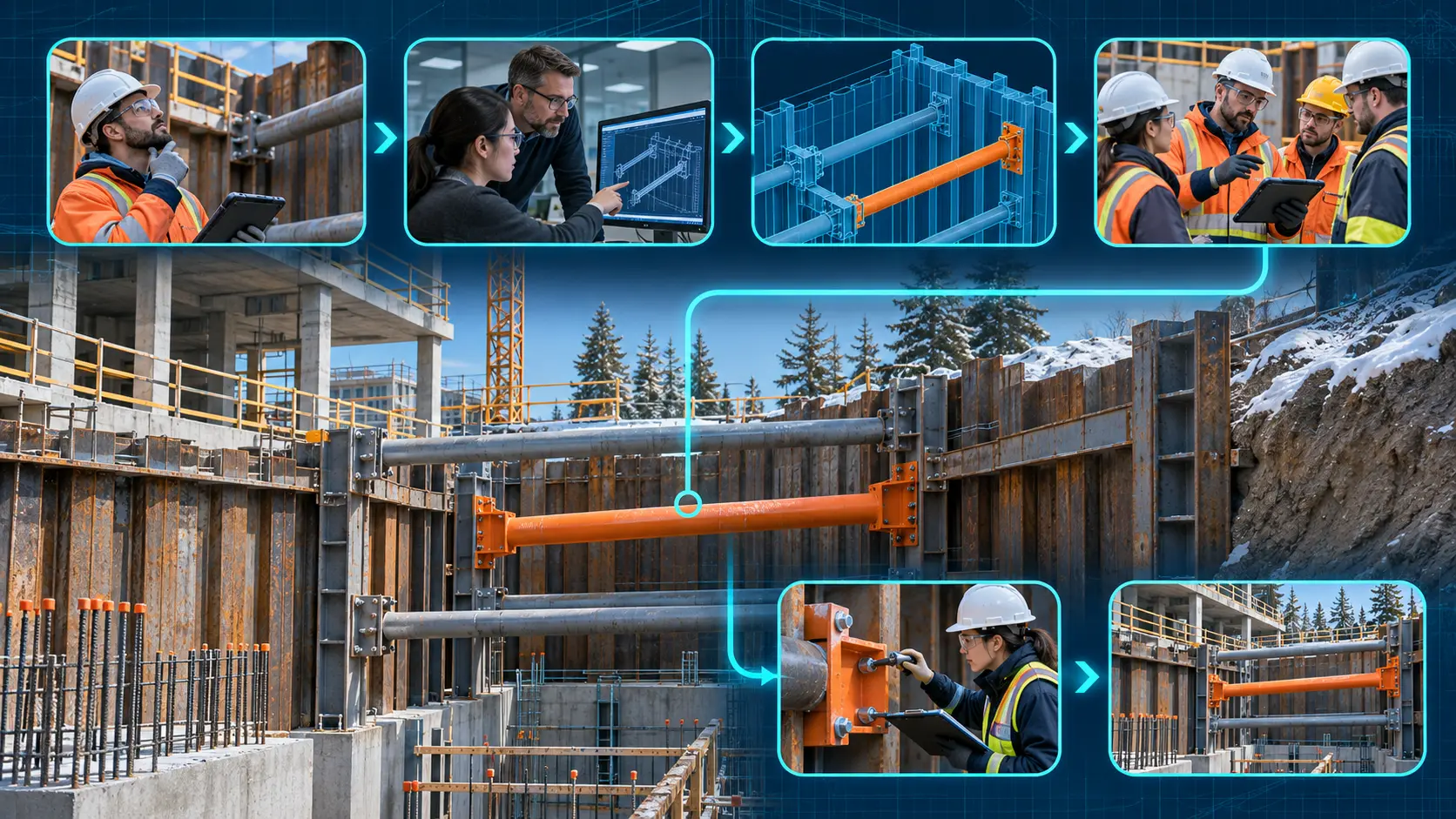
Permits & Approvals
A temporary works permit is a documented hold-point release. It confirms that identified prerequisites have been completed before a defined activity proceeds.
Read article →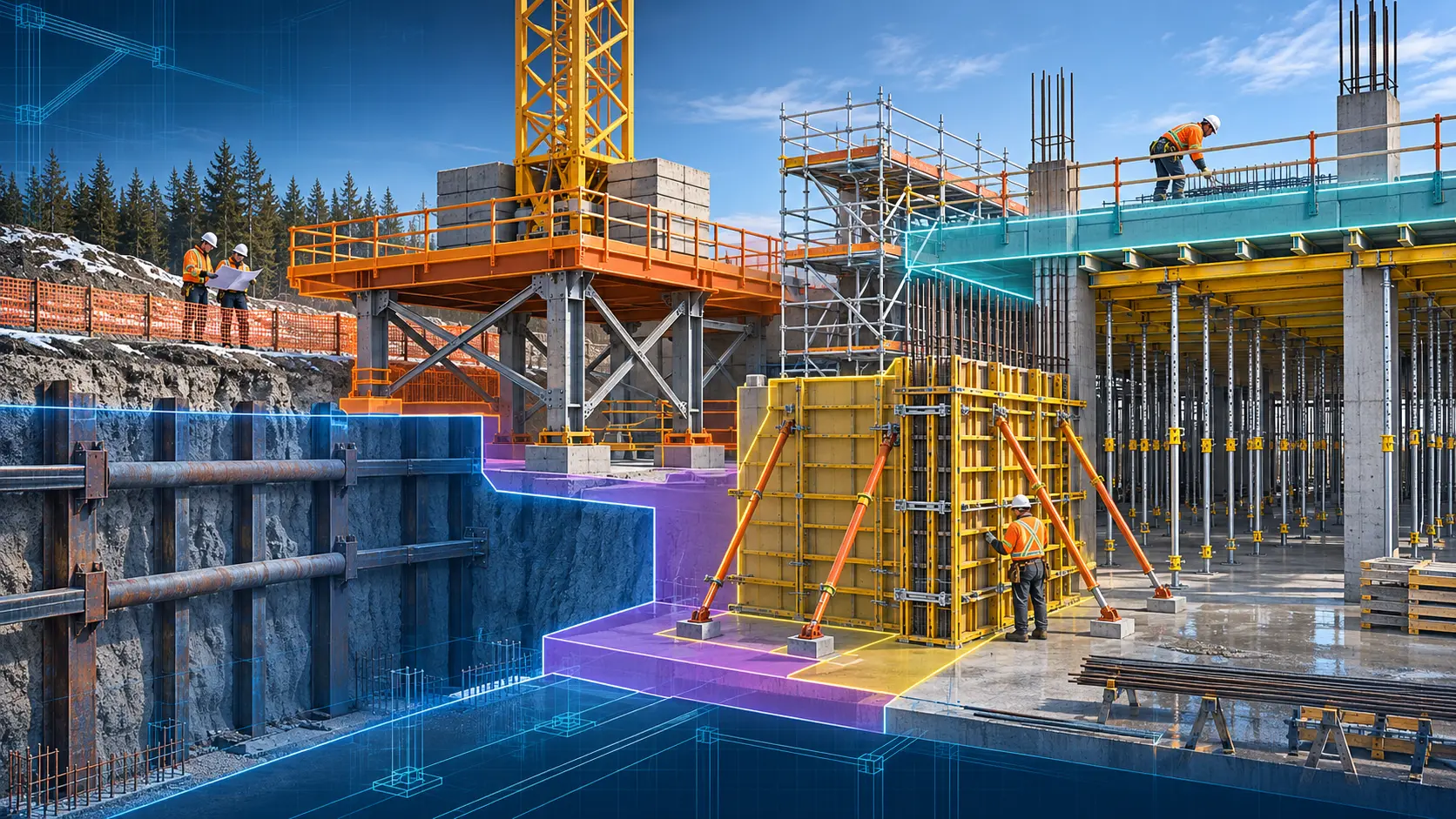
Design-to-Field Communication
Engineering information only protects the project when it reaches the people installing, supervising and using the temporary works in a clear and usable form.
Read article →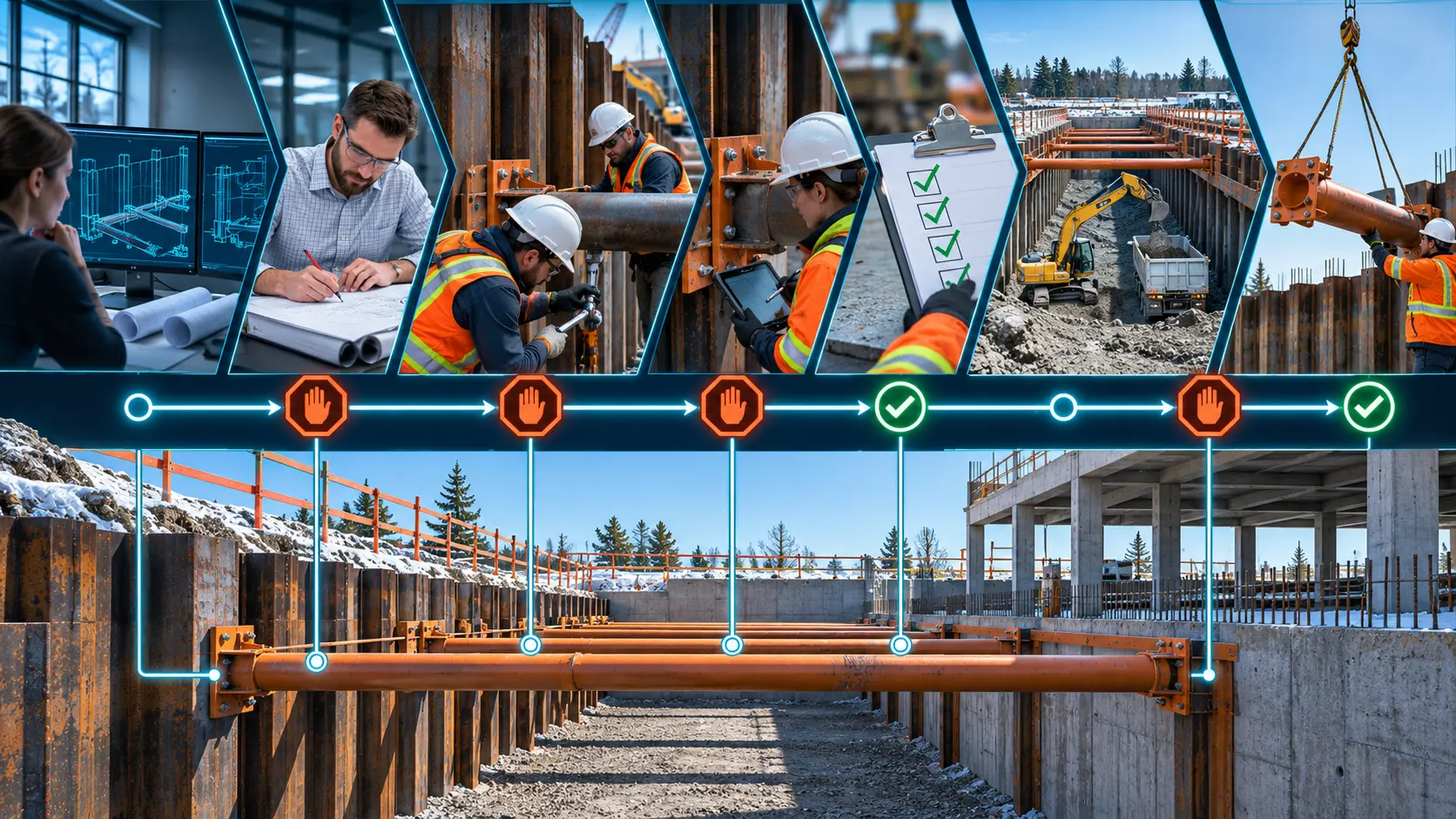
Construction Interfaces
Temporary works often depend on permanent structures, ground conditions, lifting equipment and systems supplied by other contractors. Many failures begin at these boundaries rather than within an individual designed component.
Read article →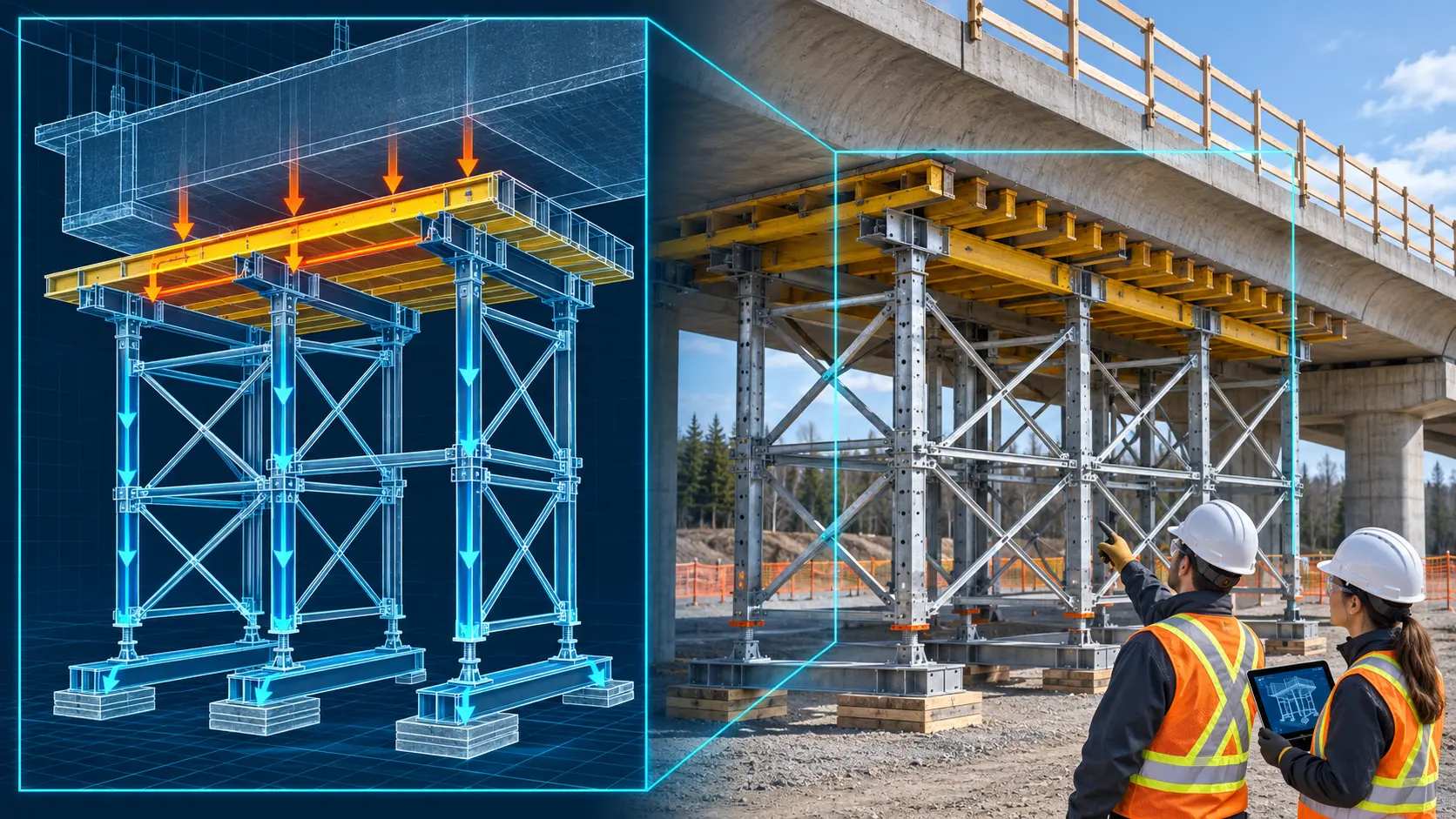
Lessons Learned
Lessons learned should capture more than accidents. Design queries, near misses, inspection findings, successful solutions, installation difficulties and dismantling issues can all improve future temporary works.
Read article →Brief → Design → Check → Build → Verify → Release → Remove
Each step has an owner and a record. A change at any point returns the item to design review before it can be released again.