Temporary Works Coordination: Keeping the Process Connected
TWInst Editorial Team · 3 min
Temporary works coordination connects design, construction, safety and operations. Its purpose is to prevent individual activities from being managed in isolation when they share loads, space, sequencing or structural interfaces.
The coordinator provides process oversight and a clear point of communication. This role does not replace the designer, checker, supervisor or inspector.
Core coordination activities
Effective coordination normally includes:
- Identifying temporary works early
- Maintaining the temporary works register
- Confirming risk and check classifications
- Coordinating design briefs and required inputs
- Tracking drawings, calculations and review status
- Managing interfaces between contractors and systems
- Planning inspections, hold points and releases
- Controlling changes and non-conformances
- Confirming dismantling and closeout records
- Escalating overdue or unsafe conditions
The coordinator should have sufficient authority to withhold a release or request that affected work stop when required information or verification is missing.
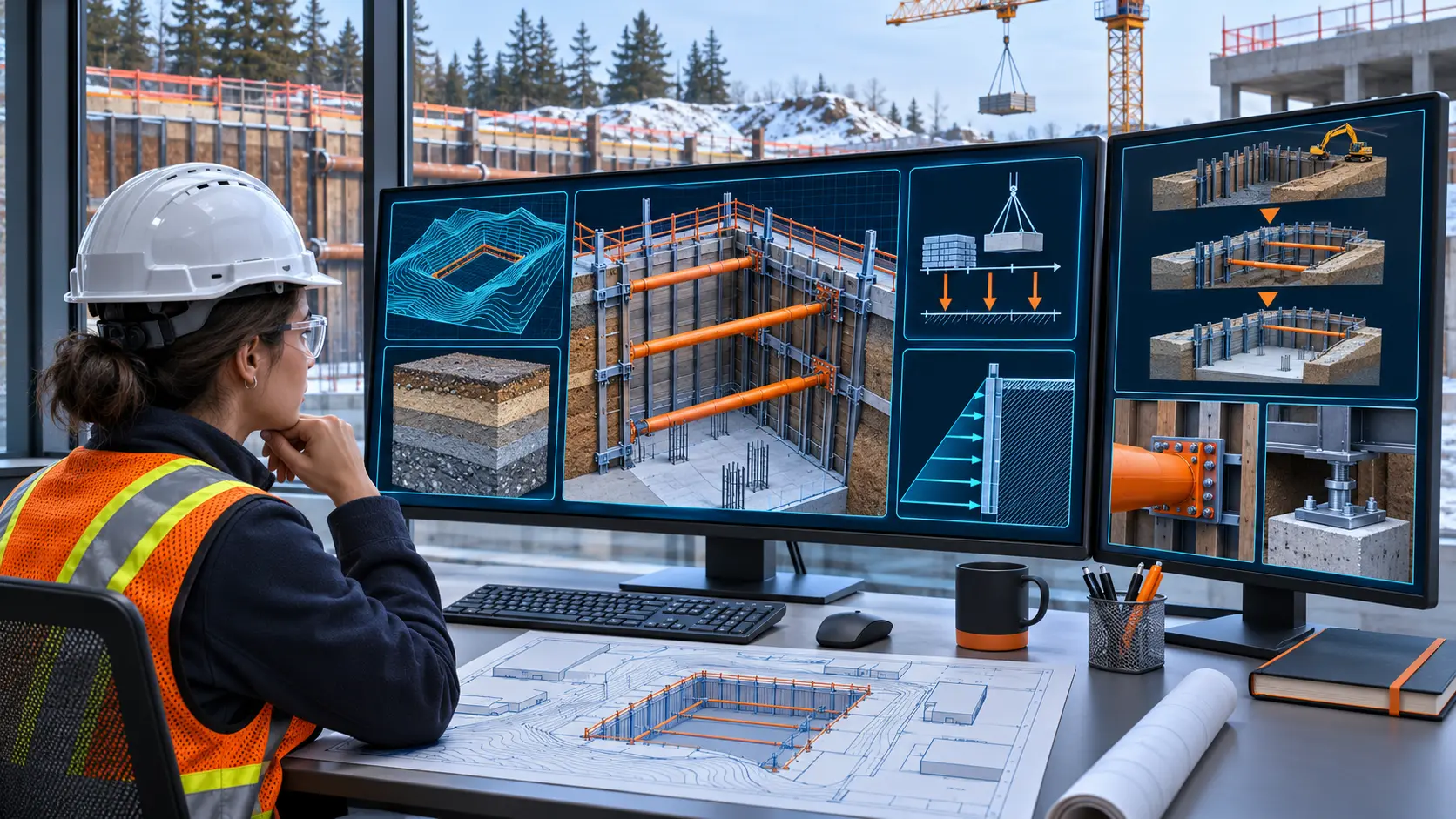
Coordination across contractors
Large projects may have several contractor-level coordinators. The project should define how their registers, designs, interfaces and releases connect to the overall system.
Regular coordination meetings should focus on upcoming work, design inputs, high-risk items, field readiness, changes and removal plans: not only overdue documents.

Coordination is the single thread that keeps the temporary works lifecycle joined together.
General educational information only. Project-specific work should follow applicable requirements, approved engineering documents, manufacturer instructions and the project's temporary works procedure.