Lessons Learned: Turning Experience into Better Control
TWInst Editorial Team · 3 min
Lessons learned should capture more than accidents. Design queries, near misses, inspection findings, successful solutions, installation difficulties and dismantling issues can all improve future temporary works.
The strongest lessons are recorded while the facts and decisions remain clear.
What should be captured?
A useful lesson should explain:
- What activity or system was involved
- What condition or event occurred
- The actual or potential consequence
- Immediate and underlying causes
- Which controls worked or failed
- What should be repeated, changed or avoided
- Who owns the improvement and when it is due
Information should be verified, technically reviewed and anonymized where appropriate. General statements such as “communicate better” are less useful than specific, reusable actions.
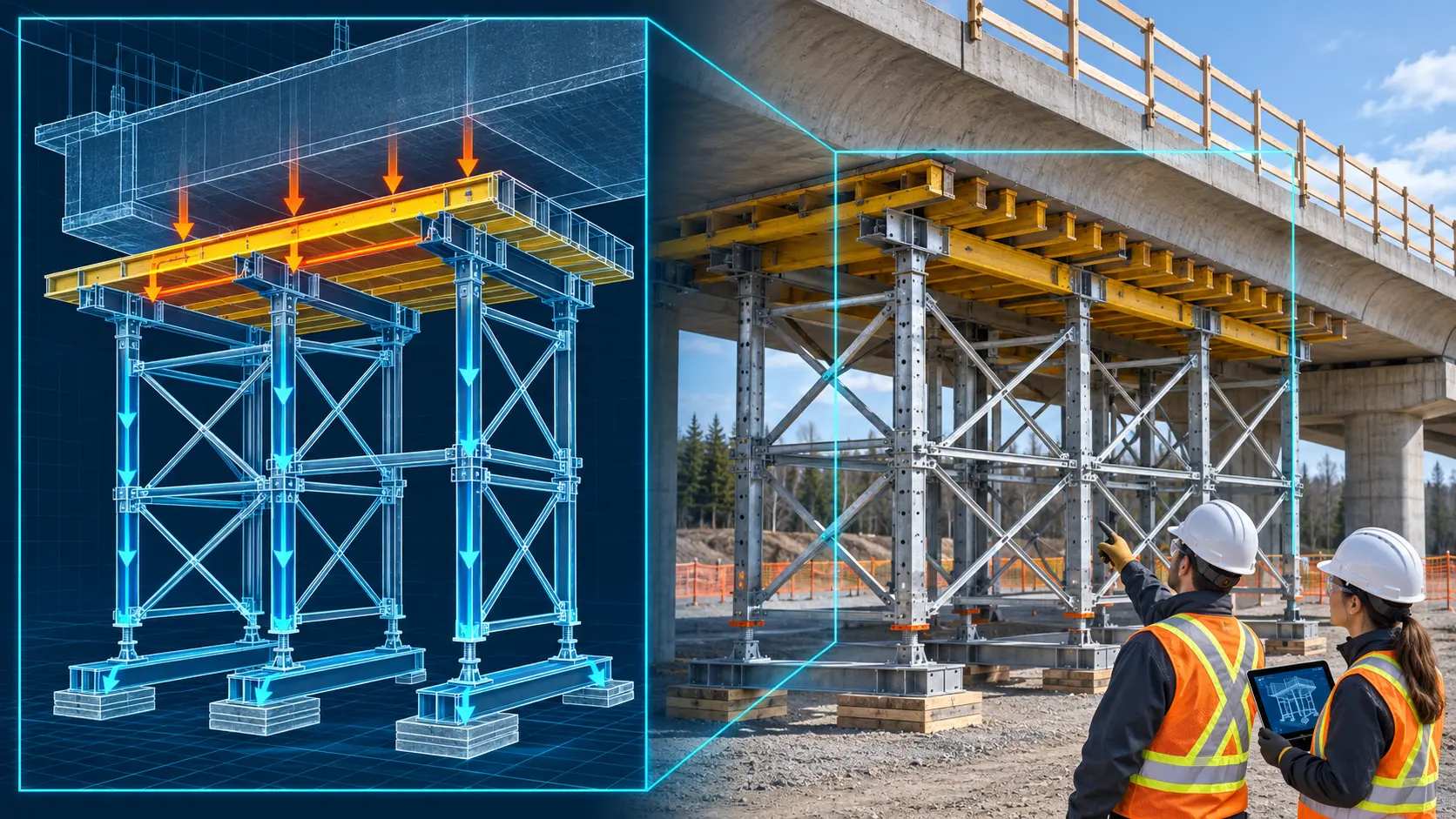
Closing the feedback loop
Lessons should feed back into:
- Temporary works procedures
- Standard details and design libraries
- Design briefs and checklists
- Inspection and permit templates
- Training and competency development
- Procurement and supplier evaluation
- Planning for similar future activities
The register closeout provides a natural point to confirm that important lessons have been captured, assigned and shared.
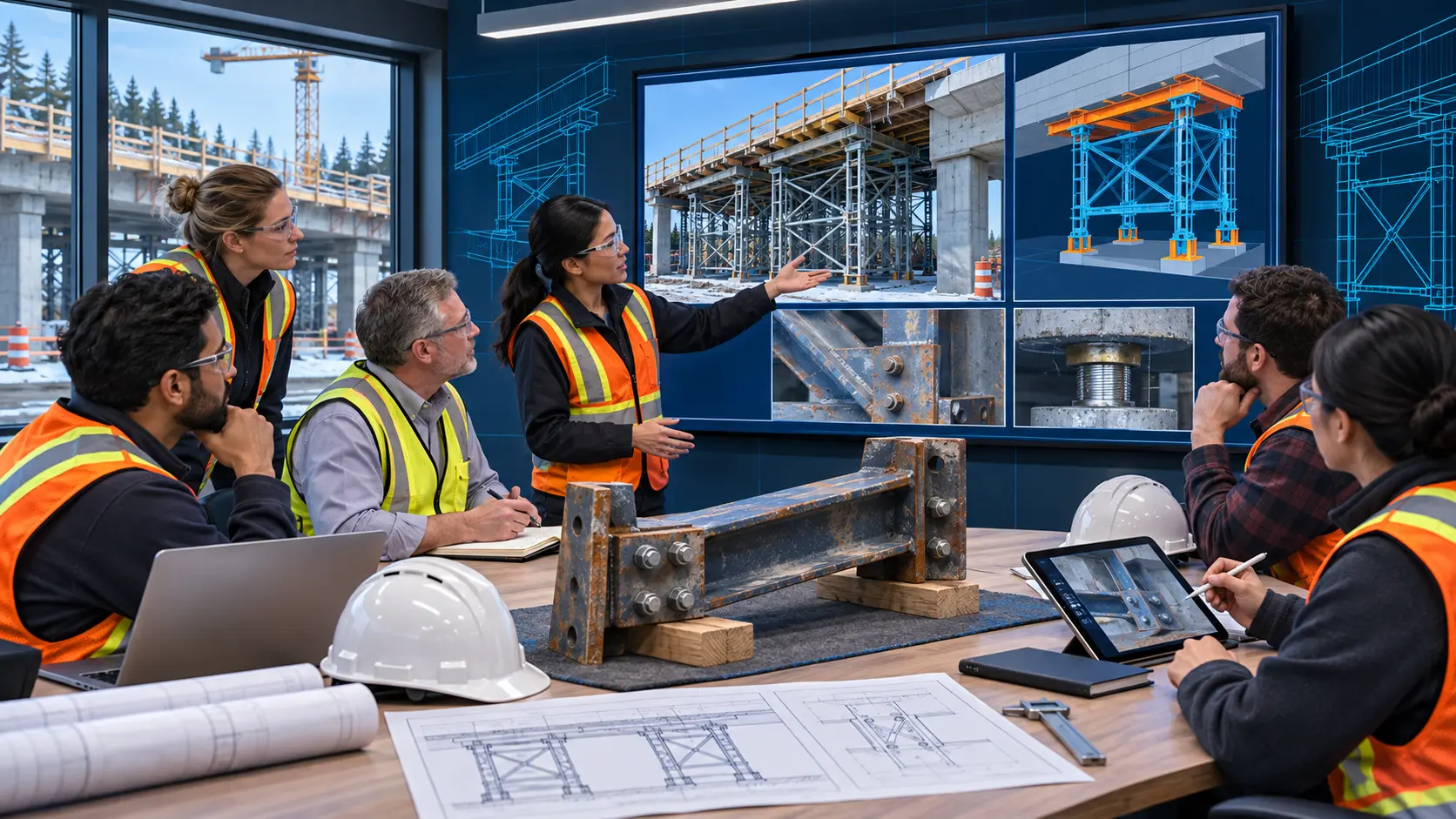
A project improves when experience changes the next design, briefing, inspection or decision.
General educational information only. Project-specific work should follow applicable requirements, approved engineering documents, manufacturer instructions and the project's temporary works procedure.