Understanding the Temporary Works Process
Temporary works are structures or systems used to enable, support or protect construction activities and permanent works. Although they may remain for only a limited period, they can carry significant loads and should be managed through a controlled process from initial planning to final dismantling.
Plan
Identify and plan all temporary works items expected on the project, including their purpose, location, interfaces, required dates, duration and removal sequence.
Before work begins, establish:
- A project Temporary Works Procedure
- Defined roles, responsibilities and approval authorities
- A Temporary Works Register or Matrix listing the required items
- Risk classifications and design-checking categories
- An Inspection and Test Plan
- Required hold points, permits and records
- A preliminary schedule for design, installation, use and removal
The register should be updated when new temporary works are identified or when project conditions change.

Design
Prepare a clear design brief covering the intended use, loads, dimensions, ground conditions, interfaces, construction stages and environmental conditions.
The solution should be designed and independently checked to the level required by the project procedure. Installation, loading, alteration and dismantling stages should all be considered, not only the completed arrangement.

Install
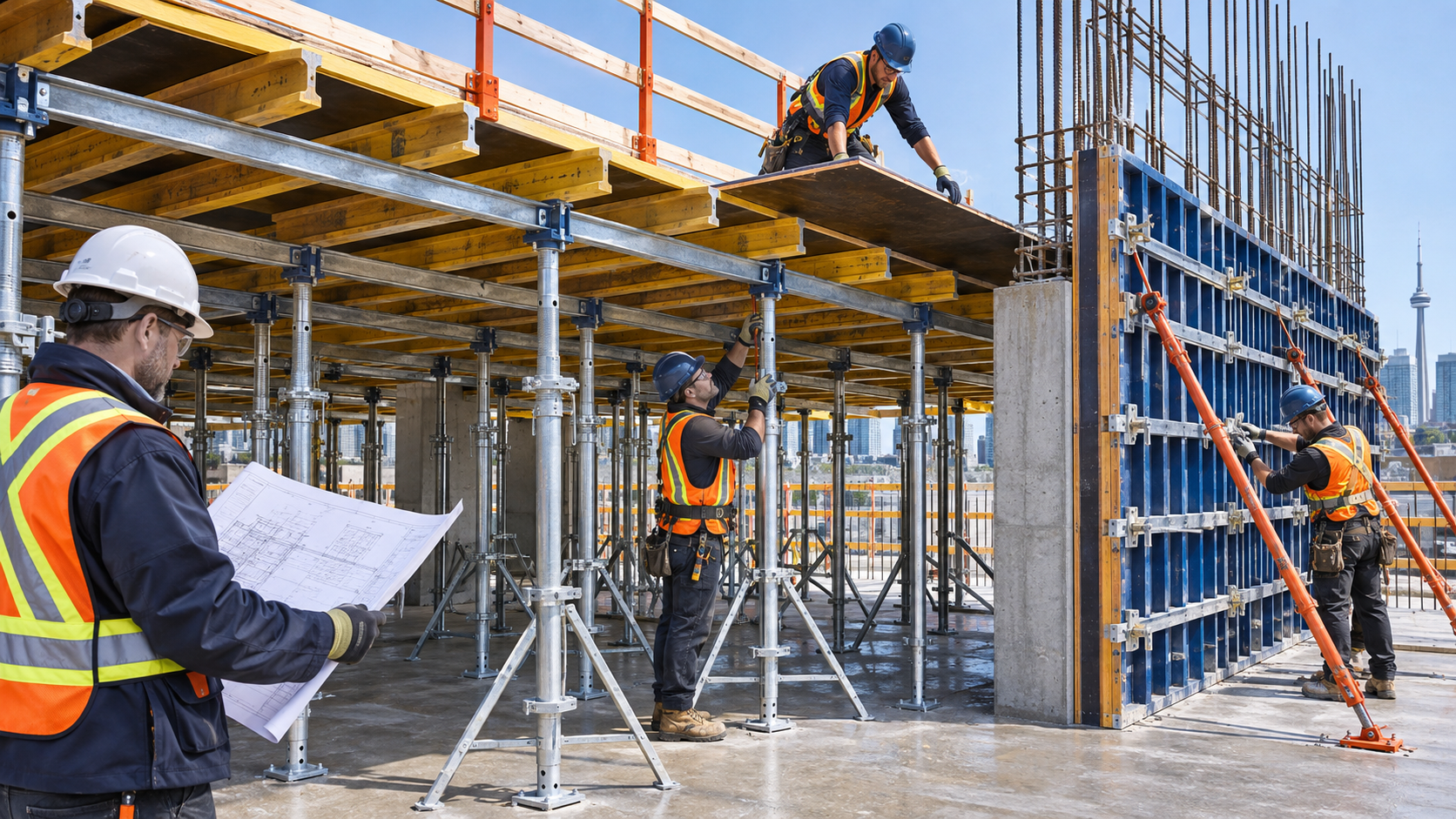
Temporary works should be installed by competent personnel using the approved drawings, method statement and manufacturer’s instructions.
Foundations, bracing, connections, access, edge protection and temporary stability should be maintained throughout installation. Unauthorized substitutions or modifications should not be accepted.
Inspect and Authorize
Inspect the completed installation against the approved design before loading or use.
A Permit to Load or Use should release the applicable hold point before every defined loading or use cycle required by the project procedure. A new assessment or permit may also be required following relocation, alteration, damage or changing site conditions.
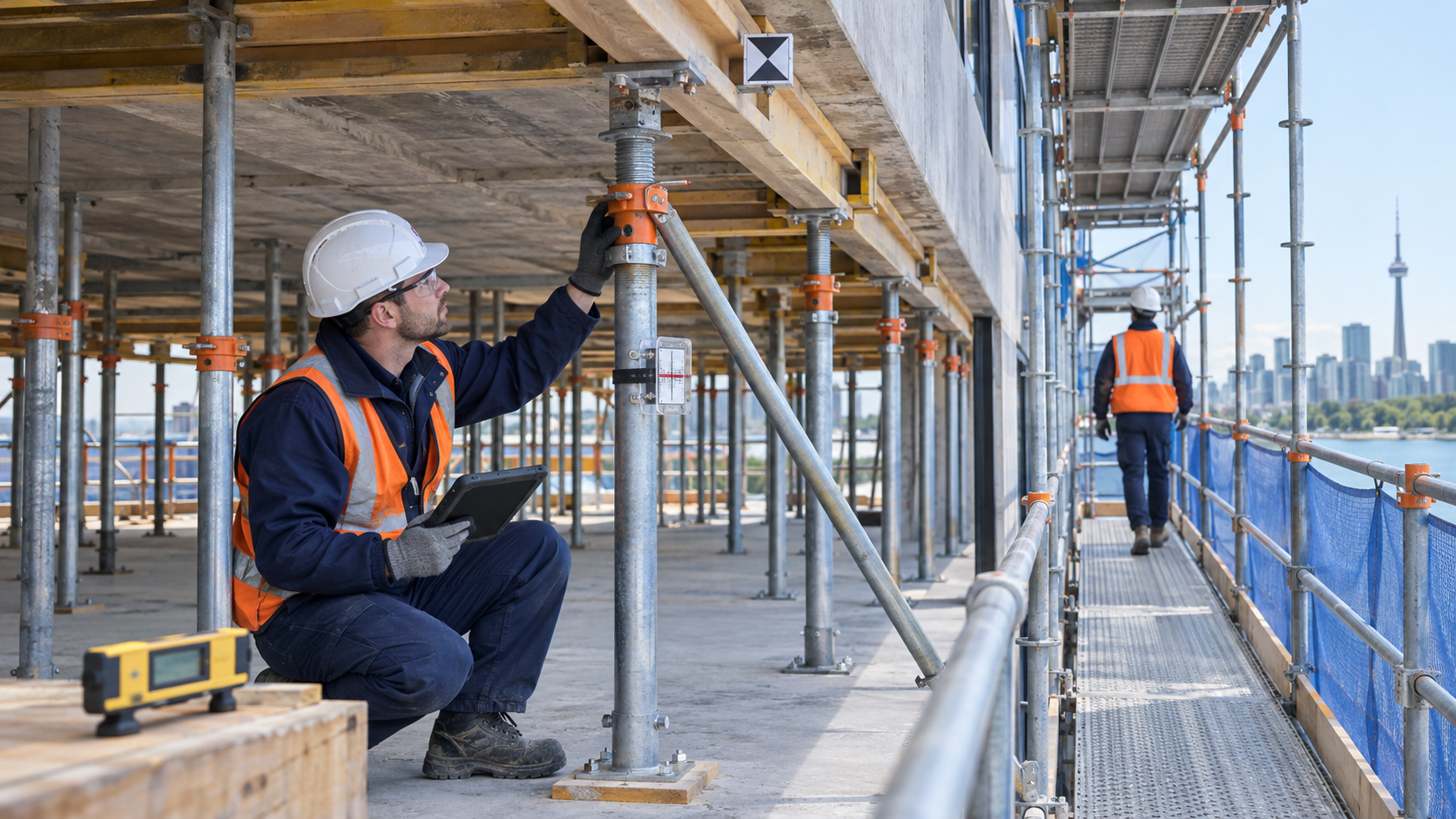
Periodic inspections should continue while the temporary works remain in service. Additional inspections should follow severe weather, impact, settlement, ground movement or any event that could affect stability.
Record deficiencies and confirm that the necessary corrective actions are completed.

Use and Monitor
Temporary works should remain within their approved loading, access, operational and environmental limits.
During use:
- Prevent unauthorized changes
- Complete the required periodic inspections
- Monitor settlement, movement and deterioration
- Maintain foundations, bracing and connections
- Control loading and nearby activities
- Record and close identified deficiencies
Unload and Dismantle
Before removal, confirm that the temporary works are no longer required and that the permanent works, or another supporting system, can safely carry the applicable loads.
Where required by the procedure, issue a Permit to Unload/Dismantle before removal begins. This may also be called a Permit to Strike or Permit to Dismantle.
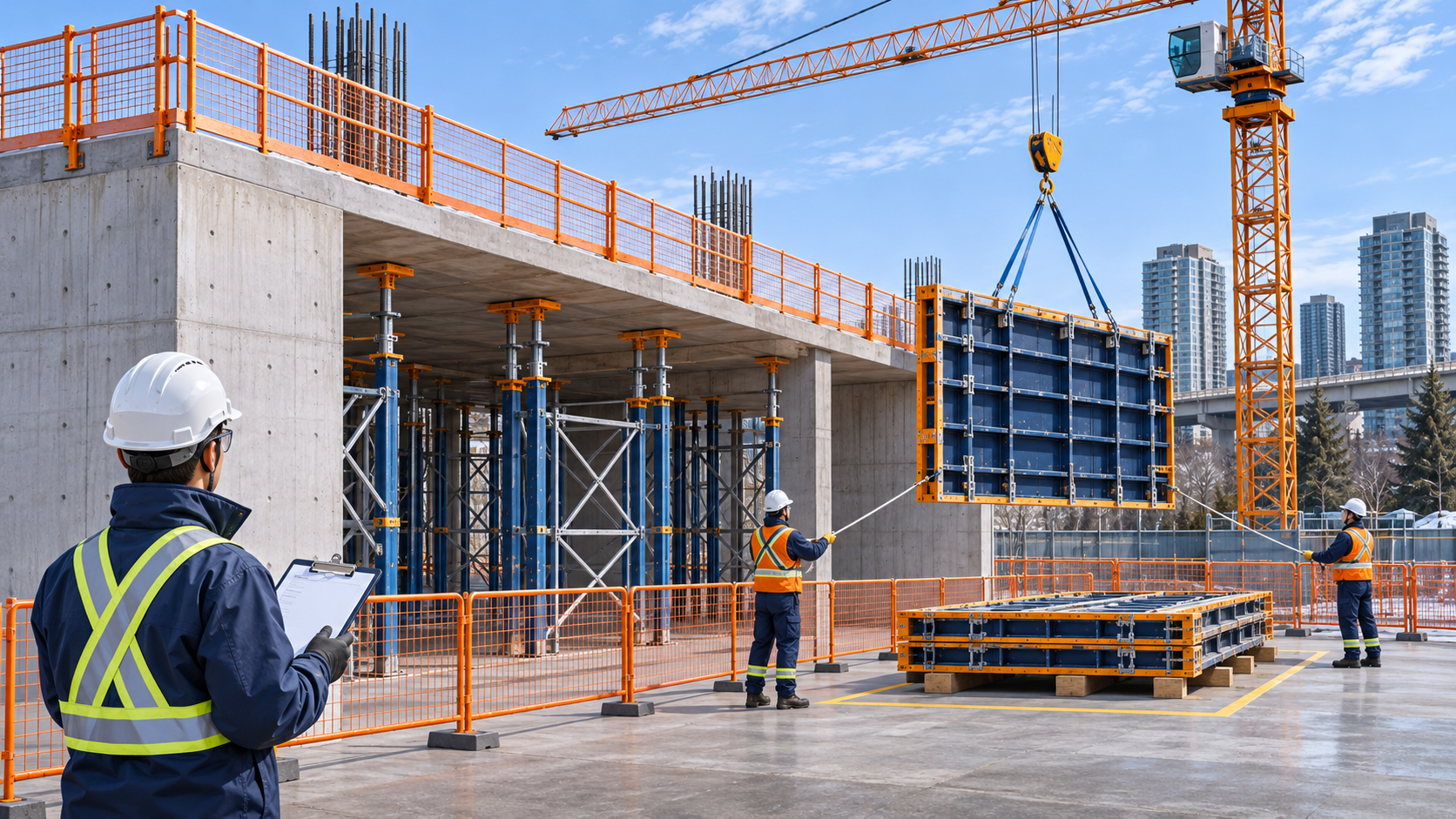
Removal should follow the approved sequence while maintaining stability at every stage. Do not remove supports, reshoring, bracing or excavation support without confirmation that the required conditions have been achieved.
No stage should proceed until its required checks, records and hold points have been completed.
Explore More Topics
This article provides general educational information only. Project-specific requirements should follow the applicable temporary works procedure, approved designs, manufacturer instructions, regulations and professional advice.
← Back to Home